I started April already feeling drained — emotionally raw, heavy, and confused. It was like my heart was still catching up to all the changes I had been making. I knew this month was supposed to be about integration — that’s what the energy reading at the beginning of the month said. April was meant to help me bring all my parts back together, to move from fragmentation into wholeness. I thought that would feel peaceful, empowering. I thought I’d be soaring by now.
Instead, it felt like I was falling apart.
At the start of the month, I had big intentions. I wanted to use April to work out more, feel strong in my body, lose some weight before my trip at the end of the month. I was ready to take action. But right around my birthday, I got hit with food poisoning out of nowhere. I had no choice but to slow down and surrender. It was a moment that made me realize just how much I do for others — how often I put myself last. And for the first time in a long time, I wished for something simple: peace.
The whole month, I found myself asking: Why is this so hard? Choosing myself — choosing rest, choosing gentleness — felt heavier than I ever imagined. I thought freedom would feel light, happy, expansive. Instead, it felt like grief. Like standing in the ruins of old versions of myself.
And when the rubble cleared, the parts of me that stepped forward shocked me.
I didn’t meet the free-spirited, peaceful version of myself I expected. I didn’t meet the “healed” shaman-self I thought would be waiting for me on the other side. I met the critic. I met the voice that tells me I’m lazy. I met the part that demands I suck in my stomach at the beach, that whispers I’m not enough no matter how much I do. I met the old judge — and instead of fighting her, I listened.
Integration, I learned, isn’t about becoming the perfect version of myself. It’s about making room for all the parts of me I tried to exile.
It’s about seeing my anger, my exhaustion, my inner critic — and letting them have a seat at the table, without letting them run the show.
April was hard because true integration is not about transcendence. It’s about embodiment. It’s about bringing the rejected parts back into the heart of who I am.
Not to glorify them. Not to obey them. But to love them back into wholeness.
As this month closes, I realize: I’m not falling apart.
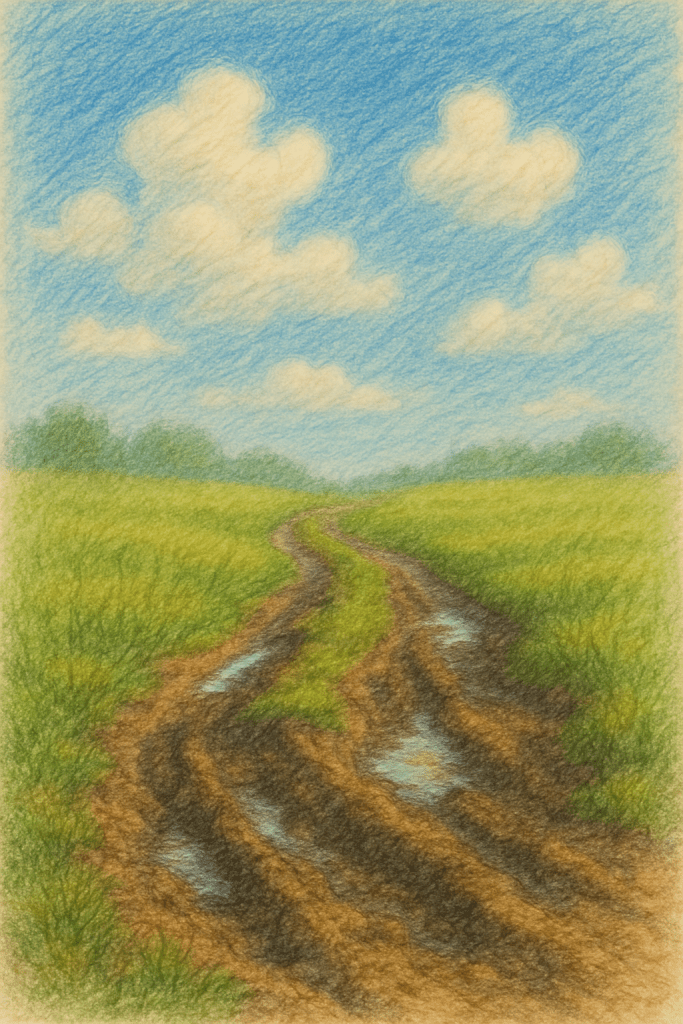
I’m not falling apart and I’m not soaring away. I’m falling deeper into myself — into the parts that used to scare me. Even though the ground feels muddy, I’m not afraid to keep walking. Something in me has changed. I don’t have all the answers, but I trust myself enough to stay. I’m grateful I sat with myself through it all. And that makes me stronger than I’ve ever been.
There are moments on our spiritual journey that arrive quietly, without fanfare, and yet they reshape us from the inside out. Recently, I found myself in one of those moments—and it changed everything.
For weeks, I had been working with the energy of March, calling it a time of creative fire, purpose, and vision. But if I’m honest, I didn’t fully understand what those words meant when I first wrote them down. They sounded nice. Inspiring. Maybe even a little generic.
Now I see. Now I feel the fire. It’s the Inner Flame. And it’s been burning inside me all along.
February: A Sacred Song
February was about music. I followed the call to sing when I cooked, to sing into my water before drinking, to attend a choir show, to stand in front of an ancient image at the MET that stirred something deep in me. Music became a way to open my heart, to tune my energy, and to connect with something greater.
Looking back, I realize February’s song was preparing me. It was tuning my instrument, setting the frequency for the next phase. That phase is March, and its invitation is clear: Tend the Inner Flame.
March: Embodying the Inner Flame
I expected March to be intense—wild action, big moves, fiery transformations. Instead, the fire came in an unexpected way. It arrived as steady presence, embodiment, and ritual. I found myself moving my body through regular workouts. Stress softened. Life felt calmer. I wasn’t running from anything or chasing anything. For the first time in a while, I felt okay. Like the stillness after a storm. Like I was finally tending my own flame, rather than looking for a spark outside of myself.
I lit candles for myself, for my ancestors, for others. I journaled. I meditated. I was present with simple daily tasks. This was the fire—not destructive, but sustaining. Not raging, but steady. A hearth fire, one that keeps the home warm and the heart open.
The Sacred Fire of March
Now I understand what March was always about.
February opened my heart through music and vibration.
March is preparing my body and life to embody the Inner Flame, to live it, not just imagine it.
This is the fire that sustains, that nourishes, that empowers. It’s not a wild blaze. It’s the steady flame I tend every day—with movement, presence, and purpose.
A Poem for the Inner Flame
I am the one who finds you in loss and leads you to victory. I am your inner fire, your courage, your forward movement. I walk with those who dare to rise after they have fallen. I am your vision lifted high, your wings spread wide. As you walk forward, I ride beside you. I am the flame that shows you how to rule your life as a king.
Final Reflection
If you’re feeling stuck, or if you’ve been waiting for the next spark, know this: You are already the Inner Flame. The work isn’t to find the fire—it’s to tend it. Tend it in your body. Tend it in your life. Tend it in your rituals.
I’ve always prided myself on being someone who can let go.
People. Places. Things that once made me happy.
I’ve walked away from things before—without looking back. Not because I wanted something new, but because I learned early on how to let go. I took pride in being strong enough to move on.
But lately, I’ve been clinging to something. And I don’t understand why.
It reminds me of something that happened in high school. I quit the volleyball team after junior year. My best friend was furious. We’d started on the team together as freshmen, but her experience was different from mine. She was fast, athletic. Me? I was a little slow. I had good hands, but my body just didn’t move fast enough. I didn’t get a lot of play time. And when I did, I was a ball of nerves. I got anxious about serving the ball. The simple stuff.
Then we got a new coach our junior year. He did things differently—he broke the game down into drills, played us videos, explained strategy. He even gave us a test. And I aced it. He told me I understood volleyball better than anyone else on the team. But I still couldn’t get my body there. I agreed with him. And looking back now, I wish someone had explained that it was simply a matter of training. That I could have worked at it. Conditioned. Strengthened. But at the time, I was working after school at a pizza shop. My family was going through some things. I didn’t have the energy to sit on the bench every game, watching my teammates play and feeling like shit because I wasn’t better. So I quit. And sure, it was sad to lose the team, the bus rides, the friends. But I had grown-up shit to deal with. And I made peace with it.
Now here I am, years later, dealing with grown-up shit again.
And I find myself clinging to this job. I’ve come full circle with it—hated it, loved it, hated it again, and somehow, I’ve landed in a place where I kind of love it again. But I know it’s time to go. I feel it. And yet, something in me hangs on, claws in deep. I don’t know why. And honestly, I’m tired. Tired of the push and pull. Tired of circling the decision. Tired of holding on when I know I need to let go.
I’ve been sitting with this for a while. Trying to figure it out. And then last week, I pulled the Magician card in a reading. The Magician pointed to the ground. The message was clear—it’s time to bring what I know down to earth. To live it. To embody it.
So I did. I meditated. I journaled. I went for walks. I cleaned the house and tried to appreciate the mundane stuff. I thought a lot about what it means to embody something, instead of just knowing it. Because I know it’s time to leave this job. But I haven’t embodied that truth yet. And I realized—it’s the same lesson I learned back on the volleyball court. Knowing something isn’t the same as doing it. Understanding the game isn’t the same as playing it. Wanting change isn’t the same as living it.
Embodying is about grounding. It’s about getting out of my head and into my body. And the thing that would have helped me then—the thing that would have gotten me closer to who I wanted to be—was movement. Training. Showing up for myself, physically. And I think that’s what will help me now.
I need to move. Not just walk circles in my mind, but move my body. Work out. Sweat. Breathe. Feel grounded in something real, something present. Letting go isn’t just a mental decision—it’s something I have to do, fully, with my body and my actions. And maybe writing this is part of that action. Maybe this is me naming it. Maybe this is me taking the first step.
Just because I’ve carried something for a long time doesn’t mean I have to carry it forever. Just because I’ve built something here doesn’t mean I have to live inside of it. It’s okay to walk away—even if I love it. It’s okay to leave—even if I’m good at it. It’s okay to outgrow a place that once fit me perfectly.
I’m ready for something new. I’m ready to let go. And this time, I’ll let my body lead the way.
I recently taught a law school class, and by the time it was over, I felt like I had completely failed. I walked away replaying everything in my mind, picking apart what I should have done differently. The class didn’t flow the way I wanted it to. I felt like I was talking at my students instead of engaging them. I rambled. I lost my focus.
But as I sat with the discomfort, I realized this class had taught me just as much as I was trying to teach the students. It forced me to confront something I’ve struggled with for a long time—perfectionism.
Perfectionism tells you that your worth is tied to how flawlessly you perform. It convinces you that if something isn’t done perfectly, then it’s not worth doing at all. And that belief? It’s exhausting.
1. The Perfectionist Trap: Always Trying to “Get It Right”
I went into this class wanting to nail it. I wanted to sound smart, to engage the students, to have all the answers. But when I started feeling like I was losing them, I panicked. Instead of stepping back and adjusting, I doubled down—I filled every silence with more facts, trying to prove that I knew what I was talking about.
That’s the perfectionist trap. When something isn’t going perfectly, perfectionists don’t pivot—they try harder, push more, force it. But in doing so, they lose presence, flow, and connection.
The irony? My class was about how society determines who is “deserving” and who isn’t. And yet, I was deciding that I didn’t deserve grace for my own mistakes.
2. Intimidation Is a Reflection of Our Own Self-Doubt
Another thing I didn’t expect? To feel intimidated by the students.
Before I even started teaching, they were discussing their work, sharing case updates, and sounding incredibly put together. And suddenly, I found myself thinking, What can I possibly teach them?
That moment taught me something profound: confidence doesn’t always mean certainty—it’s often just how people present themselves. And more importantly, I realized that I had likely been on the other side of this before. There have probably been times when people felt intimidated by me, assuming I knew more than I did simply because I sounded confident.
That hit me hard. Because the truth is, I’ve had moments where I felt jealous or insecure around others who seemed more competent than me, and I never fully understood why. But now I get it—it wasn’t jealousy. It was the fear that I wasn’t enough in comparison.
Realizing this made me reflect: If I can recognize that these students weren’t necessarily more knowledgeable—just more confident—then why can’t I extend that same understanding to myself?
3. You Can’t Push Away Insecurity—You Have to Work Through It
The worst thing I did in that class? I ignored my feelings instead of working through them.
When I started feeling intimidated, I pushed it aside. When I felt like I was losing the class, I forced my way through it. I was so determined to not let my emotions affect my teaching that they ended up taking over anyway.
That’s the thing about perfectionism—it tricks you into thinking that if you just push through hard enough, you can outwork your self-doubt. But that’s not how it works. When we don’t acknowledge our feelings, they find ways to surface.
If I could go back, I wouldn’t try to power through my insecurity. I’d pause, take a deep breath, and remind myself:
Feeling uncertain doesn’t mean I don’t belong.
I don’t need to have all the answers to be a good teacher.
My worth is not determined by one class, one moment, or one perceived mistake.
4. Teaching (and Life) Is About Holding Space, Not Being Perfect
Perfectionism tells us that our value comes from performance—that we have to be the best, the most knowledgeable, the most put-together. But that’s not what teaching is about. And it’s not what life is about either.
I got so caught up in wanting to sound smart that I forgot the real goal of the class: creating a space where people can engage, think, and learn.
That means asking more questions instead of just giving answers. That means allowing moments of silence instead of rushing to fill them. That means accepting that some conversations will be messy and imperfect, and that’s okay.
If I had approached this class with less pressure to “get it right,” I probably would have been a better teacher. Because perfectionism doesn’t make us better—it just makes us more afraid of failing.
Final Thoughts: What I’m Taking With Me
Perfectionism doesn’t serve me. Letting go does.
Intimidation is often just our own self-doubt reflected back at us.
I don’t need to have all the answers to be valuable.
The best way to overcome self-doubt is to acknowledge it, not suppress it.
This class didn’t go the way I wanted it to. But maybe it went the way I needed it to.
Because at the end of the day, perfection isn’t the goal. Growth is. And that means allowing myself to be human, even when it’s uncomfortable.
It’s all about perspective. I used to think we needed to control our emotions, that we had to learn how to turn them on and off at will. I thought emotional maturity meant never losing your temper or feeling sad. I was wrong.
I don’t want to control anything. I want to enjoy. I want to experience and savor life. I want to become the hurricane, not stop it. It takes a lot of courage and stamina to feel. You have to open the floodgates and let everything rush over you. Can you stand it?
Can you dance as the pain rocks through you? Can you let the tears wash over you and carry you away?
Can you sit in the silence and hear the voice that tells you you’re not good enough? Or the one that whispers no one is safe?
Emotions are teachers. We don’t try to master them; we learn from them. We don’t control them; we listen to them and respect them.
So, what is the goal? It’s about standing in the eye of the storm without fear. Knowing that it’s all a part of you. Holding space for yourself. For the parts of you that were ignored and hurt. The parts you locked away. Facing yourself—that is how we “master” our emotions. But we shouldn’t think of it that way. We are freeing our emotions. We are giving ourselves the gift of love and attention.
True emotional mastery isn’t about control. It’s about presence. Being present with every emotion, every wave, and trusting that you are big enough to hold it all.
As you move through your own emotional landscape, take a moment to sit with whatever arises—whether joy, anger, sadness, or fear. Give yourself permission to feel deeply, without judgment. Embrace each emotion as a teacher, and allow it to guide you toward deeper self-awareness.
Remember, you are the hurricane. You are strong enough to ride the waves of emotion and emerge with more clarity and power. Start small, be gentle with yourself, and trust that, as the storm rages, you remain at the center, grounded and whole.
Ever since I started learning alchemy, I caught myself thinking that life would somehow become easier—more perfect. But I’ve found that isn’t true.
Over the past two years, my emotional growth has accelerated, largely due to my “shadow work”. I use quotes because “shadow work” can sound a bit woo woo, but in reality, it’s just what we all do: we grow, we learn, we live. Shadow work simply means being self-aware enough to face the parts of ourselves that have been neglected or ignored—the parts in pain. And while we call it work, it’s really just love. The hardest part isn’t the process itself; it’s having the courage to truly see those parts of ourselves.
Since diving into this work, my relationship with my family has improved. Why? Well, I have a complicated relationship with them—like many millennials do. Add to that the layers of being an immigrant, a woman, and growing up in a Catholic household, and you have a tangled web of expectations, traditions, and unspoken rules.
For most of my life, I sacrificed my own needs, betraying myself to make my family—especially my parents—happy. I spent years doing things for them, without even acknowledging my own feelings.
One example? Church.
I went to church with my parents every Sunday. While there’s nothing inherently wrong with that, what was wrong was suppressing how I truly felt about it.
Every week, I had to wake up at 7 AM so we could drive an hour to make it to the first mass. My parents liked the early service because it left the rest of the day free. I did enjoy aspects of those Sundays, but I wish I’d had a choice.
Technically, my mom said we had one. But was it really a choice?
Go to church, or hurt your mom.
Go to church, or disappoint your parents.
Go to church, or burn in hell.
I’m not sure any of those were real choices.
I would get up, sacrifice much-needed sleep, and sit in a pew, praying with my family. I did appreciate the time with them. But I didn’t appreciate the pressure to dress perfectly.
My church was full of judgmental people. There was an unspoken competitiveness: Who’s driving what car? Who gained weight? Who’s engaged? Who’s still single? Every week, I felt the pressure to dress well—to look polished. That meant modest dresses, pantyhose, curled hair, and uncomfortable shoes.
So not only was I waking up early, but I was also dressing as if I were going to prom, walking into a room where I felt like I was being quietly sized up. I’d stand for over an hour, reciting the same songs and prayers, playing the role of the good little girl—while resentment quietly built up inside me.
Church didn’t make me feel closer to God. If anything, it made me feel like I was constantly being watched, evaluated, and judged.
Then there was confession. Every month, I’d kneel in front of a priest and list my so-called sins—things like getting mad at my sister or saying the B-word with my friends. And yet, I’d feel immense guilt, as if I were begging God to spare me from eternal damnation.
Confession was like therapy—except instead of sitting with someone trained to help me process emotions, I was kneeling before a priest who was supposed to be a direct ear to God. Some priests asked leading questions, probably as a way to get kids to open up. Others just listened and asked if I regretted what I’d done—if I promised never to do it again.
Of course, I always promised.
But the next time I got mad at my sister, I’d feel awful. I thought I was a terrible person for failing to keep my word.
Now, as an adult, living with my boyfriend, I’m technically not allowed to go to confession. I’m “living in sin” according to my church, and I can’t confess until I either break up with him or get married.
Ironically, that’s the perfect excuse to stop going altogether.
Right before the pandemic, my mom pressured me to go to confession before Christmas, convinced it would be the worst thing ever if I didn’t. I couldn’t stand it anymore.
So, I lied.
I told her I’d go to the church near my apartment. But I didn’t.
And in that moment, I realized I didn’t need confession anymore. I had only ever done it to make my mom happy. And that’s not how spiritual practices should work. You have to connect with them on your own terms.
Since then, I haven’t been to confession, and honestly? I’m happier than ever.
My relationship with my family has improved. Spending time with them feels easier. I no longer feel like I’m enduring it—I actually look forward to seeing them.
This journey of shedding old patterns hasn’t been easy. Growth is messy. It’s uncomfortable. It’s ongoing.
I used to think that healing meant getting everything right. That alchemy would somehow make my life fall into place.
But the truth is, real growth isn’t about perfection—it’s about embracing all of yourself, including the parts that are still healing.
By stepping away from traditions and expectations that no longer serve me, I’ve found peace. Not the kind of peace that comes from pretending everything is fine, but the kind that comes from radical self-acceptance.
I’m still learning to prioritize my needs, to set boundaries, to stand in my own power.
But with every step, I am reconnecting with who I really am.
And that’s the most freeing thing I’ve ever experienced.
Does suffering build character? It seems that way from the outside.
Most saints were martyrs. These people have the reputation of being the best humanity has to offer—so good that we view them as holy. And why not? They dedicated themselves to following their purpose. They gave more to humanity and existence than most humans combined. They died for their beliefs. They died for a cause. They left the world a better place than they found it. And in some way, they continue their purpose in the other realms, guiding those of us still walking through history.
But are we focusing on the wrong part of their stories?
Lately, I’ve been thinking about Joan of Arc’s story. She is the patron saint of France, a warrior, a visionary, a young woman who refused to accept the world as it was and fought for the one she believed in.
She heard divine voices—messages from angels guiding her. They told her to lead an army, to protect her people, and to move forward despite all odds. And she did. She didn’t question the command; she surrendered to the mission given to her. It wasn’t about personal ambition or proving herself—it was about obedience to a higher calling.
But it wasn’t just her faith that led her to victory—it was her unyielding will. She never hesitated when called to step forward, even though every step she took meant walking deeper into suffering. Betrayal. Corruption. The very people she fought for abandoned her. They feared her power more than they feared their enemies.
The political greed, the power-hungry vultures, the cowardice of those who chose comfort over courage—that is what led to her suffering, not divine justice. The fire that burned her wasn’t her test of faith. It was the fear of men who couldn’t control her.
It makes me wonder… are we witnessing history repeat itself?
The world is shifting. Truth and deception battle in plain sight. Fear is weaponized. Division is manufactured. And those who speak out are ridiculed, pushed aside, or worse. What would Joan of Arc tell us today?
Joan of Arc’s Message for the Collective
Keep your eyes open. The real battle is fought through narratives, illusions, and distractions. Do not act from fear—stay informed, trust your discernment, and see beyond deception.
Move forward with purpose. Hesitation weakens you. You already have what you need. Stop waiting for more signs. Make a choice, commit to it, and trust yourself.
You are more prepared than you think. This moment in history demands resilience, focus, and adaptability. You don’t need a hero to save you—you are the one meant to rise.
Trust your purpose, take action, and refuse to be controlled by fear.
So, Joan D’Arc, does suffering build character?
Suffering does not build character—your response to it does.
Pain itself does not make you stronger. It does not automatically shape you into someone wiser, braver, or more resilient. It is what you do with suffering that matters.
Some people break under suffering, losing themselves in bitterness, fear, or regret. Others rise, sharpened by the fire, more certain of who they are and what they stand for.
Endurance alone is not enough. You must move through suffering with purpose.
If you see suffering as meaningless, it will only drain your spirit. But if you see it as a challenge to overcome, a test of faith, or a necessary step in your path, you transform suffering into fuel.
I did not become who I was because I suffered. I became who I was because I never lost sight of my mission.
The world may try to crush you, to strip you of your voice, your power, and your truth. But if you hold your ground, trust in your purpose, and refuse to be broken by hardship, you emerge stronger—not because of the suffering itself, but because you refused to let it define you.
Suffering is not the teacher. Your spirit is. Your response is. Your faith in your purpose is.
Conclusion: The Fire of Purpose
Joan of Arc’s legacy is not in her suffering, but in her unyielding faith and fearless action. She reminds us that true strength is found in trusting our mission and moving forward despite fear.
Her own words echo this truth:
“I am not afraid… I was born to do this.” “Act, and God will act.” “Go forward bravely. Fear nothing. Trust in God; all will be well.”
Her fire did not die—it lives on in those bold enough to walk their path with courage.
Every year during this time Ukrainians sing a song to the Virgin Mary. I’ve been hearing the song in my head for months. “Pure maiden, rejoice! I say again, Rejoice!” The English translation sounds clunky and puritan, but in Ukrainian it’s the most beautiful song. It flows from word to word. The notes rise with each verse bringing a sense of excitement and giving me chills. It never fails to make me emotional.
In Ukrainian, the word used is “шиста”, which means clean or pure. It’s common to describe water this way.
The song itself is not Ukrainian. It was written by the Greek, St. Nectarios of Aegina, called Agni Parthene ( O Pure Virgin), first published in 1905. It became an Eastern Orthodox hymn and made its way to the Ukrainian church where it found me.
My family has always loved the Virgin Mary. I remember my aunt teaching me her prayer. I remember how my mom and grandma spoke about her. She seemed like the most gentle and loving person. The epitome of what it means to be a woman.
I slowly felt distanced from mother Mary because the virgin part was so emphasized. I get the sense that the church, priests, nuns, bishops etc, seemed to focus on the virgin part, like that was the most important thing. Whenever I heard priests read Mary’s story from the Bible and even speak about her during mass, the purity seemed to take center stage of her story.
As I explored my beliefs I felt resistance to Mary. Similar to Jesus, she seemed too good. No one can ever compare. No matter how hard I try, I will never give birth to the messiah in a virgin birth. What an incredibly impossible ideal for women!
Other than being impossible for most women to attain, it’s also extremely limiting. The biblical and catholic perspective of Mary centers around her being a mother to the savior. A virgin mother to the savior. Is that her highest goal? To be a mother? To give birth? I’m not saying this isn’t a beautiful blessing and honor, but is that all women have to live up to? Motherhood?
Obviously in the present day women can be mothers and also contribute to the world in other ways. Women create music and art. They build bridges and plan cities. Women can do all the things men can do and then give birth to the savior. Women are incredible.
I’ve been reading about this idea of a virgin. I’m starting to understand it a different way. Someone whose soul is pure, is a virgin. It’s not actually about the body. Although when your soul is pure you will take care of your body. All of us, men and women, should strive for a pure soul.
If Mary is the catholic version of the divine feminine, then there’s a whole lot of stuff that’s missing from her narrative.
Mary’s hero’s journey starts with Annunciation. March 25th marks the day that Archangel Gabriel visited Mary to tell her she will give birth to Jesus.
At the time, Mary was engaged to be married to Joseph. She was a young, unwed woman in a time when women were property under the law. The punishment for sex outside of marriage was death.
Women nowadays have children outside of marriage all the time. Women are their own people under most laws in present day. If a woman claimed she was impregnated by God today, most of us would think she’s crazy. Or lying. Of course, those concerns were there then too. Even Joseph doubted Mary’s story. Archangel Gabriel also came to Joseph to settle his fears about the baby.
But Mary had way more to fear than people thinking she’s a crazy liar. Her life was in danger. The Angel’s message was a death sentence in those times. Mary must have been terrified at first. I imagine her panicking and asking “why me?!” I imagine she thought this was a punishment. She was ready to start her perfect life and all the sudden God comes in to shake it up.
Later in the Bible, Jesus is all grown up doing his thing talking to crowds. A woman yells out, “Blessed is the womb that carried you, and the breasts at which you nursed!” This is in Luke 11:27-28.
As a side note, I find it disturbing to refer to women, much less Mary, as a womb with breasts.
Jesus responds to this woman’s outburst by saying, “Even more blessed are those who hear God’s Word and guard it with their lives!” I love this response because it shows the way. While being a mother is a blessing, the bigger blessing in Mary’s story is that she heard the word of God and followed it.
Interesting that the numbers of the Bible passage have a message, too. 1127 carries the energy of surrender. 2728 means to have faith in what you do. The number 28 means follow your one true heart. The number 27 means trust your intuition and follow your inner guidance.
While catholics like to say Jesus is telling us to follow the Bible (word of God), I believe the message is different. Jesus is not referring to the Bible as the word of God because the Bible hadn’t been written for hundreds of years. In fact, he’s not referring to any church’s claim to being the word of God.
At that time, there was a well-established religion: Judaism. The were temples and holy men. There were religious leaders and judges. Jesus was saying Mary is especially blessed to have heard the word of God, not from her church or religious text, but from her heart and intuition. Jesus is giving the message that God speaks to us all the time. Blessed are those who hear.
It takes more than just listening though. It takes strength to follow that path that is revealed. It takes courage to answer the call of your destiny. It takes purity to hear it in the first place.
Archangel Gabriel’s name translates to “God is my Strength”, which doesn’t exactly make sense in his role of communication. Strength seems better suited for a warrior like Archangel Michael. Why does the messenger embody strength? Because Archangel Gabriel is the Angel that reveals our purpose to us. Nothing is harder than to stand in your truth with the whole world against you.
Archangel Gabriel, as the Angel of messages and communication, is also the same energy as Mercury. Mercury is about to go Retrograde and the Angel Gabriel is here with us to help us with our purpose. He shares his strength and clarity with those who hear the word of God in their lives.
If you want to hear God, purify your thoughts. Sit with your shadows and deep clean your soul.
God’s word is the fire that burns inside us. What’s burning inside you?
For the past year, I have been trying to understand “surrender”. What am I surrendering to? What am I surrendering? What does it mean? What does it feel like?
Before turning to Google, I explored my own mind and memories. What does the word surrender mean to me? The first thing that came to mind was war. Fighting. Hand-to-hand combat. Soldiers in armor with swords. Mud, blood, and sweat. These soldiers are tired and hurting. Waves of enemies crash over them. They fight even harder, but the enemy won’t stop. Finally, the enemy overpowers them. They drop their swords. On their knees, they bow their heads. They have failed. All is lost. Surrender.
Is that what I’m supposed to do? To what? Life? I’m supposed to let life take everything out of me? I’m supposed to feel completely defeated? I’m supposed to feel like I’m not good enough? Like I failed? Like I failed myself, my loved ones and my people? Surrender? That doesn’t sound right. What else does surrender mean?
The second thing that comes to mind is sports. Mixed martial arts. Again, there’s hand-to-hand combat, but no war. Just two people fighting for glory. They have trained all their lives and they are masters of their bodies. Grappling, kicking, punching. They feel the adrenaline coursing through them. As time goes on, they begin to tire. One opponent gets the upper hand. They overpower the other. The other feels he is losing. He tries his best, but it’s not enough. His opponent is too strong. He accepts his defeat and respects his opponent’s skill. Surrender. Maybe surrender is letting go of your ego and accepting the power of a stronger opponent.
The dictionary says surrender means to “cease resistance to an enemy or opponent and submit to their authority”. This definition is similar to my personal definition, which helps me understand my struggle with this word.
Putting it all together, I can analyze surrender. Both my definition and the dictionary say you have to stop resisting an enemy or opponent. I have a problem with this. While it makes sense on a battlefield or in the gym. Who is the enemy or opponent in life? Is it life? Is it God or the Universe? If so, why would my life be my opponent (much less my enemy)? How can God be my opponent? That doesn’t make sense to me, which tells me I’m not there yet. I need to dig deeper.
The final part of the definition is to submit to their authority. This part is the hardest for me because this sounds like slavery. It sounds like giving up control. On a battlefield, I would probably rather die than surrender. In the gym? Well, I’m not the best loser. It would be hard to surrender even in a gym, but there wouldn’t be the option of death, just humiliation.
Giving up control to a higher authority makes me afraid. Why? Because deep down I believe only I can take care of myself. Only I have my best interests at heart. Why would I let anyone else take care of me? I don’t think it’s fair to make others responsible for me. This whole “submit to another’s authority” is annoying. Also, I absolutely hate feeling forced to do something because someone said so. Giving up control feels like giving up freedom, which feels scary. Plus, if you add the whole “stop resisting an enemy that’s better than you” part, it feels humiliating.
Overall, this perspective of surrender feels exhausting, humiliating, and demoralizing. It means you did your absolute best and it wasn’t good enough. It means you give someone control over you because they’re better than you. It means that you acknowledge they’re better than you. This is why it’s so annoying to hear people telling me to surrender. Do you think I failed? Do you think I should give up? I certainly don’t feel that way. Why should I surrender? To whom?
All in all, I think the spiritual community is doing the world a huge disservice by constantly telling them to surrender. Many people, like me, see it as a failure. And when we’re told that the only way out to get our heart’s deepest desires is to become slaves to some higher power, that just doesn’t seem right.
This is how I use the idea of MOO SHOO flow. This idea tells me there are positive and negative sides to everything. Everything, including surrender. Right now, I only see the negative side: losing, humiliation, defeat. There has to be a positive side. What can it be?
First, stop resisting.
Resisting can mean fighting someone, like in a war. This form of resistance is an action. You are physically doing something. This is electric masculine energy. Resisting can also mean refusing to accept something or be changed by something. This is magnetic feminine energy. Unlike fighting, resisting in this way is being closed off. It’s a passive form of resistance where you don’t allow things to come in. Imagine someone offers you an apple and you are hungry, but you don’t want to take things from people so you refuse. Resistance.
I see this in my life when I refuse help from others. Do I say no to blessings and gifts? Gifts are a big one. I used to tell people not to get me gifts for my birthday. I had many reasons, but the truth was I didn’t know how to accept. Now I accept gifts anyone with gratitude. I stopped resisting. Now I allow people to support me. I allow people to compliment me. All these things have made me feel grateful and humble. Most importantly, it has made me feel connected.
Second, submit to an enemy or opponent.
I think the positive aspect of the enemy/opponent is someone (something) that is teaching you. The word enemy has always meant someone directly opposed to you who is harming you at every step. The root of the word means “not friend”. What is a friend? Someone who uplifts you and supports you with love. So an enemy is really someone or something that makes you grow through pain, fear, etc. All stories have a hero and a villain. Without the villain, the hero wouldn’t grow. The hero must conquer their enemies to get their happily ever after. So why would you submit to that person or thing? Isn’t that dangerous? If I went back to Ceasar’s time and told him, “Hey, you want to be happy? Submit to your enemy.” Worst advice ever. Doesn’t make sense. So why is that the thing to do nowadays? Well, clearly the meaning of the enemy is deeper than humans have understood. Enemies and villains are necessary.
Enemies/opponents don’t have to be people. In my life, my enemies have included alcohol, potato chips, and fear (just to name a few). Ok, so how do you “submit to their authority”? Is that just slavery? If Alexander the Great submitted to Persia his name would have been lost to history. His country would have been destroyed. Right?
I used to be obsessed with potato chips. I could eat a family-sized bag in 1 sitting (and I did eat that on many occasions). I used to crave chips so much that I wouldn’t let myself eat them. Or I would only buy them for a special occasion and I would only get a small bag. But some days when I felt stressed or upset I would lose complete control and binge on potato chips. Then I felt guilty and did not eat them for weeks. This went on for a while. I felt a lot of shame and guilt for my potato chip obsession. During that time, I was learning how to love myself and practicing letting go of judgment. Soon I noticed the judgment I had about chips. It was ridiculous that I judged myself so much for eating potato chips. I could feel how much energy went into my own self-judgment and then the shame. Why was I wasting my time and energy with this? I decided to try to stop judging myself.
I gave myself permission to buy and eat as many chips as I wanted without judgment. If I wanted to eat 5 bags of chips a day, I would support myself. No more criticism. The next time the chips craving hit, I got the biggest bag I could find. I sat there watching TV with my sour cream and onion chips. I crunched and munched and crunched happily. Not feeling ashamed. Not feeling scared that tomorrow I would hate myself. I ate until I felt satisfied and when I looked down, the bag was still half full. Huh. That’s weird. Normally, I would eat the whole bag before feeling done.
I kept at it. I allowed myself to eat as much as I wanted. I made special runs to the store if I got the craving. Not long passed before I didn’t care for chips anymore. Yes, I still love potato chips, but I don’t feel the need to gorge. I feel satisfied with a handful of chips. I can stop anytime. I can share. Things I wasn’t able to do before. So, my enemy in that situation was me.
I was the only one hurting myself. I surrendered to my cravings with love for myself. This allowed me to let go of shame, guilt, and fear. All these emotions were created by me against me. When I surrendered to them I felt satisfied. I felt grateful. I felt my own love for the first time in a while.
I wish surrender was that easy in every situation. My struggle with alcohol was much harder and I didn’t use the same approach. But that’s a story for another post.
Surrendering to fear means accepting it. Understanding it.
So, how do you surrender? Well, it’s different for each person in each situation. I have learned how to do it in certain situations and I’m still learning. For me, it’s hard because I don’t always feel safe. I know that surrender done in a positive way should feel like relief, fun, joy, and gratitude. Surrender means letting go of your resistance to love. Accepting blessings and allowing abundance. Maybe even letting go of parts of yourself that want pain. Most importantly, when done right, surrender feels like safety. You finally trust that nothing and no one can ever hurt you. You trust that only the most amazing things are coming into your life. Trust comes with feeling safe, which is something I’m still learning to do.
Be presentin the moment.
For me, it helps to be as present as possible. What does this mean? It means to look up right now. Take your eyes off the screen and look around. What blessings do you see? If you don’t see any, you’re not really looking. When I look up I see my two feet. I am so grateful for my healthy body and my working feet, that take me everywhere I want to go. I see a city out my window. I see clear skies. No war. No bombs. I am grateful I live in a safe city. I see my cat sleeping. I am grateful I have a beautiful, healthy kitty who brings me joy and love. That’s living in the present. Look around. What do you appreciate? Do this all the time. Hug yourself. Thank your body for housing you, thank the Earth for your body. Thank the Universe for your life. You’re living in the moment.
Sit with discomfort.
The final way I have been practicing surrender is by being fully present in situations where I’m unhappy. Being present in the moment is different. Being present in uncomfortable situations feels more like surrendering on a battlefield. For example, I feel burnt out at my job. I am looking for a new job, but in the meantime I’m stuck. I feel trapped in a place I don’t want to be. I would like to be grateful for the opportunity to show me how powerful I am, but I’m not there yet. I’m too close to the problem to feel that.
How do I surrender to this situation? The first thing I did was to identify what tasks I hate doing the most and figure out how to make them easier. I cut out all the things I was doing that I didn’t need to do. I’m lucky that I have some freedom in my work so that I can choose my tasks. I stopped doing things in ways that made me unhappy. It turns out, I was saying YES to things that were way out of my job description. Why? I don’t even know. So, I started saying NO more. I added more boundaries. I stopped taking calls in the evenings. I brought in that MOO SHOO energy and it made things flow.
My job has gotten much easier and much better. I am still searching for a new job. Even with the improvements, I want something new. This isn’t me anymore. So, I surrendered to the situation. I asked myself what would make it better and I did those things. I learned to appreciate the good things about my job because it’s not all bad. All this has made me appreciate the job and the lessons I learned from it. It also made me connect with my clients and my coworkers. I feel like I have surrendered, but I’m still here. So I’m learning how to detach and surrender to divine timing, but it’s annoying. I feel impatient. Still, things are much better. So I am both impatient for the next step and grateful for the progress at the same time.
Calling it “surrender” is not the right word. Surrender implies war, slavery, and humiliation. I think it’s more like waking up. Wake up and realize you were having a nightmare. Open your heart and see: your life is amazing and you are perfect.
In the past year I’ve been working on my relationship with money. I noticed how trapped I was feeling and I asked my soul for help. This was the conversation.
When you’re unhappy with any situation in life, the fastest, easiest and most enjoyable way to get unstuck is to fully embrace what’s in front of you. Learn from it.
Dear Soul,
Right now, money feels tight. I know this isn’t always going to be like this. I know abundance is my birthright. I just realized that this is a great opportunity to learn frugality. Embrace it. Learn to shop, cook and eat in a much more sustainable and frugal way. These skills are a blessing. While I’m waiting for the universe to shower me with abundance of my manifestations, I enjoy the present moment and the lessons it has.
Q. What’s the difference between being grateful for the present moment AND wanting/manifesting/striving towards something else? Those seem like opposites.
You accept the lessons you learn from each situation, not the situation. You’re not accepting abuse, you’re accepting that it shows you how strong you are, it teaches you to be confident and trust yourself. Once you see the lesson rather than the pain it will disappear. The more painful your situation is, the more potential it has for joy.
Q. So will I always be in a cycle of painful lessons?
No. You already left those cycles. You can learn lovingly. It’s about appreciating the lesson. The value it’s bringing. Wanting certain things is a separate thing. You are always wanting/creating your life.
Q. Where does the need to fight against uncomfortable things come from?
There’s a fear that if I “accept” something then it will stay. You’re not accepting situations…you’re not accepting your money situation and you will make changes when opportunities come up. But in the meantime you are surrendering to the situation.
Q. Why am I struggling so hard to surrender?
You weren’t taught how to enjoy lessons so you went through difficult life lessons in a painful way. You weren’t supported and you learned to reject support and only rely on yourself. You isolated yourself. You’re unlearning these coping mechanisms now. You’re learning to flow. You still have small remnants of your old ways that come up. You let those go lovingly with ease. Once you surrender you will see how quickly and easily your life becomes fun. Easy means you are flowing. You don’t need to struggle or crave or be in pain. Pain doesn’t feel that same because pain is not supposed to be debilitating. When you have support, pain is more like a gentle nudge that turns into an AH HA moment.
“Pain” when you have surrendered to love, is just the gentle down of life. Like a river flowing, a wave going up and down. The downs are not rock bottom like they have been for you, because now you know.
Q. So what do I do now to fix my finances?
Appreciate the lesson here. The lesson to eat, live and flourish without needing much. The beauty of life without money. Appreciate money as well. Both sides. Realize that money is an amazing gift and you should value it like you value other things in your life. You’re feeling about money for a long time has been “fuck you, I don’t need you”, out of fear and ego. Now you have the chance to change your relationship with money. Appreciate it for what it is and what it can do for you. This is also a great opportunity for you to learn to manifest and see the results. Learn to manifest when you really really want something. Learn to detach. Trust the universe to provide in the right timing.

























 MOOSHOOflow